What TB-500 is
TB-500 is a laboratory-synthesised peptide based on the short actin-binding sequence of thymosin beta-4, a naturally occurring 43-amino-acid protein found in most mammalian cells. Because the fragment is far shorter than the parent protein, it is cheaper to synthesise and more stable to handle, which is why it appears widely in preclinical work.
It is not a registered therapeutic good in Australia. It is supplied here as a laboratory reference material for in-vitro research only, and is not approved by the TGA for human or veterinary use.
What the published research investigates
The thymosin beta-4 and TB-500 literature is largely preclinical: cell-culture and animal-model studies examining actin sequestration, cell migration, angiogenesis-related signalling, and models of dermal, corneal and cardiac tissue repair.
Human clinical evidence for the synthetic fragment specifically is limited, and we make no claims about effects in humans. The primary sources are linked at the bottom of this page so you can assess methodology and endpoints yourself.
Concentration arithmetic for laboratory records
We do not publish human dosing protocols and nothing here is a dosing recommendation. What follows is concentration arithmetic for laboratory record-keeping only.
Published animal-model papers express quantities per kilogram of body mass of the model organism, not as fixed human amounts. Figures circulating online as a 'TB-500 dose' are not derived from a registered therapeutic label, because no such label exists for this compound.
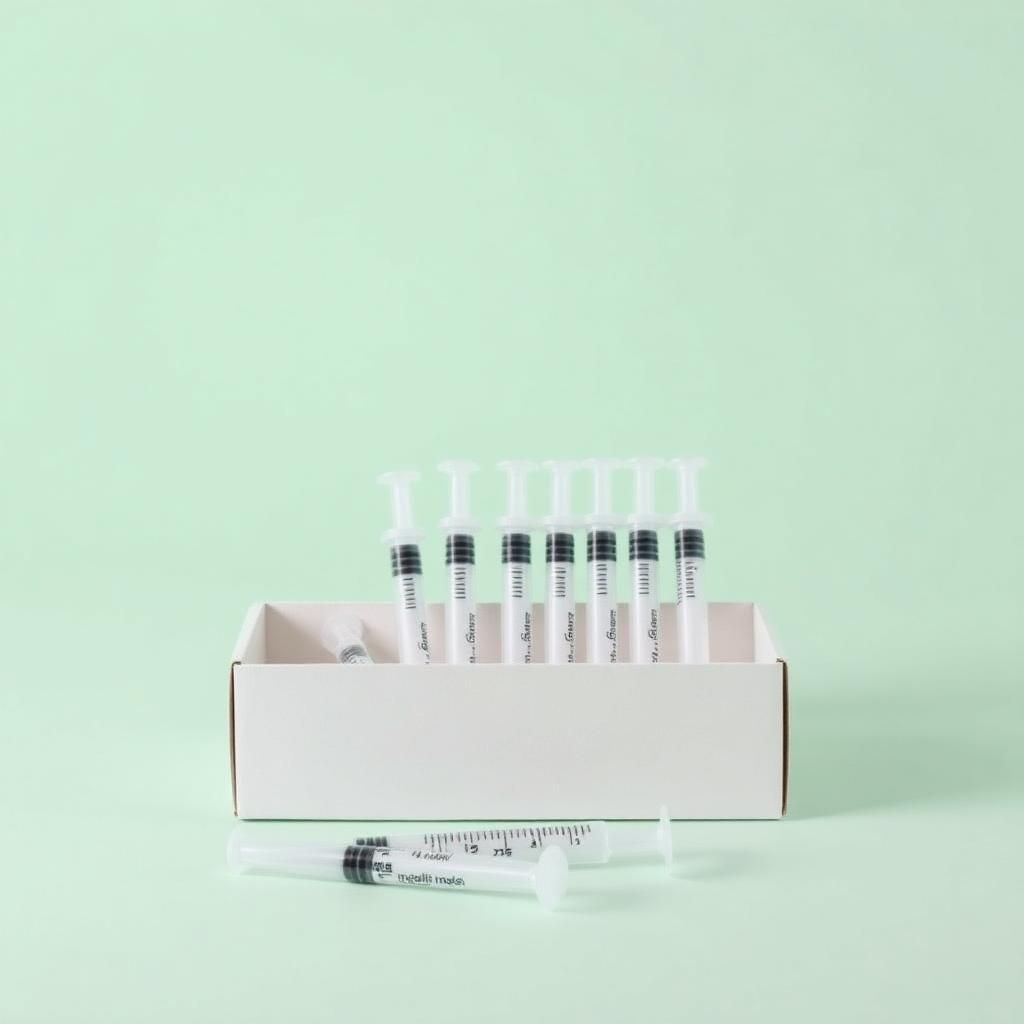
Concentration maths for a 5mg vial: reconstituted with 2mL of bacteriostatic water it yields 2.5mg/mL, so 0.1mL on a 1mL insulin syringe measures 250µg. With 5mL it yields 1mg/mL, so 0.1mL measures 100µg. Pick the volume that places your working quantity in the readable middle of the barrel.
Write the reconstitution date, water volume and lot number into your notes at the moment of reconstitution — concentration cannot be recovered from the vial afterwards.
Reconstitution and handling in solution
Wipe the stopper with an alcohol prep swab, then run bacteriostatic water slowly down the inner wall of the vial rather than directly onto the powder cake. Swirl gently until the solution is clear; never shake.
TB-500 in solution is refrigerated at 2-8°C, protected from light, and aliquoted into single-use volumes where the protocol allows. Repeated freeze-thaw cycling is the most common avoidable cause of degradation.
Label every aliquot with the lot number so results stay traceable to the batch Certificate of Analysis.
TB-500 vs BPC-157 in the literature
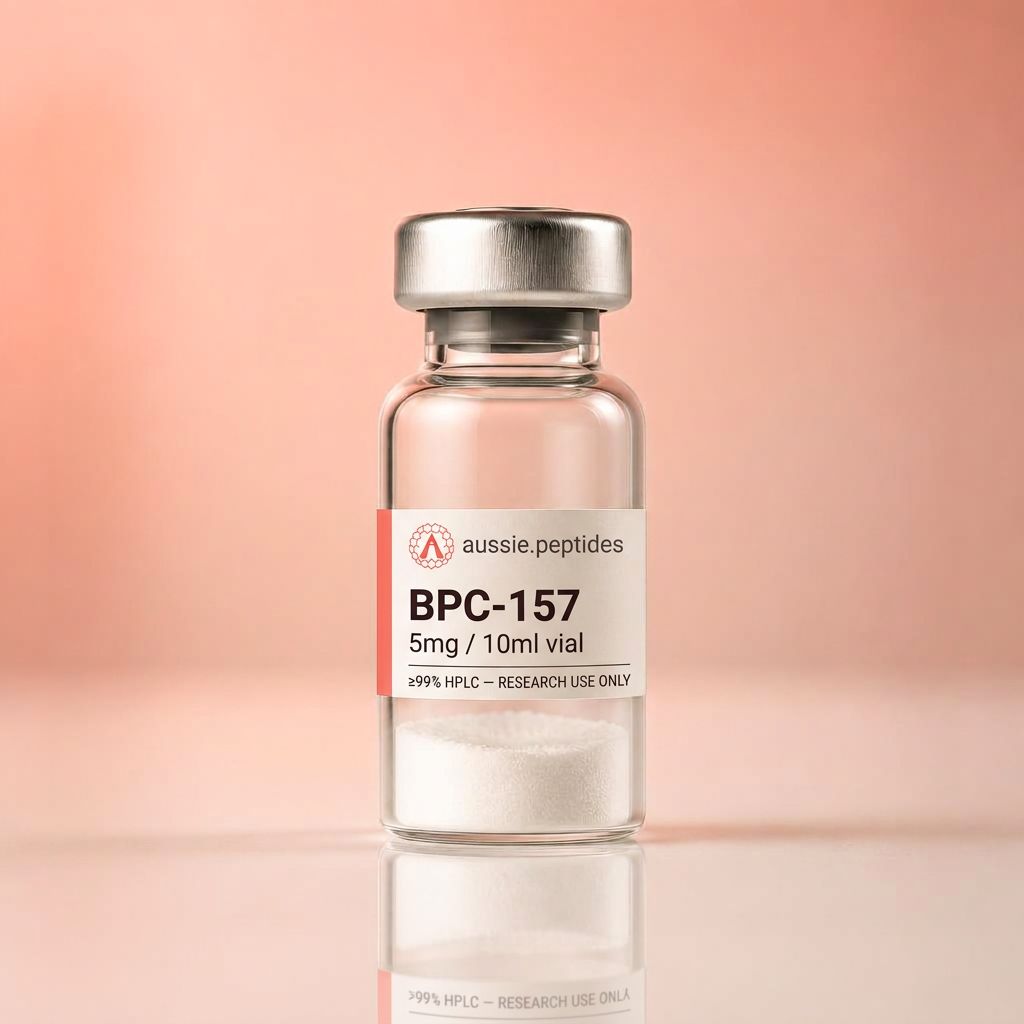
TB-500 and BPC-157 are frequently discussed together in tissue-repair research, but they are structurally unrelated and are studied through different mechanisms — TB-500 work centres on actin binding and cell migration, while BPC-157 work centres on angiogenesis-related and gastrointestinal signalling pathways.
Researchers running comparative in-vitro work usually lot-match both vials against their Certificates of Analysis so any observed difference is attributable to the compound rather than batch variation. Both sit in our recovery range and ship in the same parcel.
Sourcing: where our TB-500 comes from
Our TB-500 is solid-phase synthesised by a contract peptide manufacturer working to documented batch records, then imported as bulk lyophilised powder and released only after independent analysis. We do not buy finished, pre-labelled vials from resellers, because a vial you did not commission is a vial whose synthesis history you cannot audit.
Each import is assigned a lot number at intake. That lot follows the material through vialling, cold storage and dispatch, so the number printed on the vial you receive traces back to one synthesis run and one set of analytical files — not to a blended pool of stock.
Vialling and cold storage happen at our Australian storage and dispatch facility, which means the vial is never in transit through an unrefrigerated international parcel network before it reaches you.
Testing expectations: what a real TB-500 CoA shows
Every lot is released against reverse-phase HPLC for purity and mass spectrometry for identity. Purity is stated as a percentage of total peak area at ≥99%, and the mass-spec result must match the expected molecular mass of the fragment — purity alone tells you the vial is one thing consistently, only mass spec tells you it is the right thing.
A legitimate Certificate of Analysis names the compound, states the lot number, dates the analysis, shows the chromatogram rather than only a summary figure, and is signed by the testing party. A single-line PDF claiming '99% purity' with no lot, no date and no trace is a marketing document, not an analytical one.
Ask any Australian supplier for the chromatogram, not the claim. If a lot number cannot be matched to a dated report on request, treat the purity figure as unverified regardless of what the label says.
How to verify purity and packaging before you order
Before ordering: run the lot number you are quoted through our batch lookup on the CoA page and read the report for that exact lot. Check the compound name, the analysis date and that the purity figure on the report matches the figure on the listing.
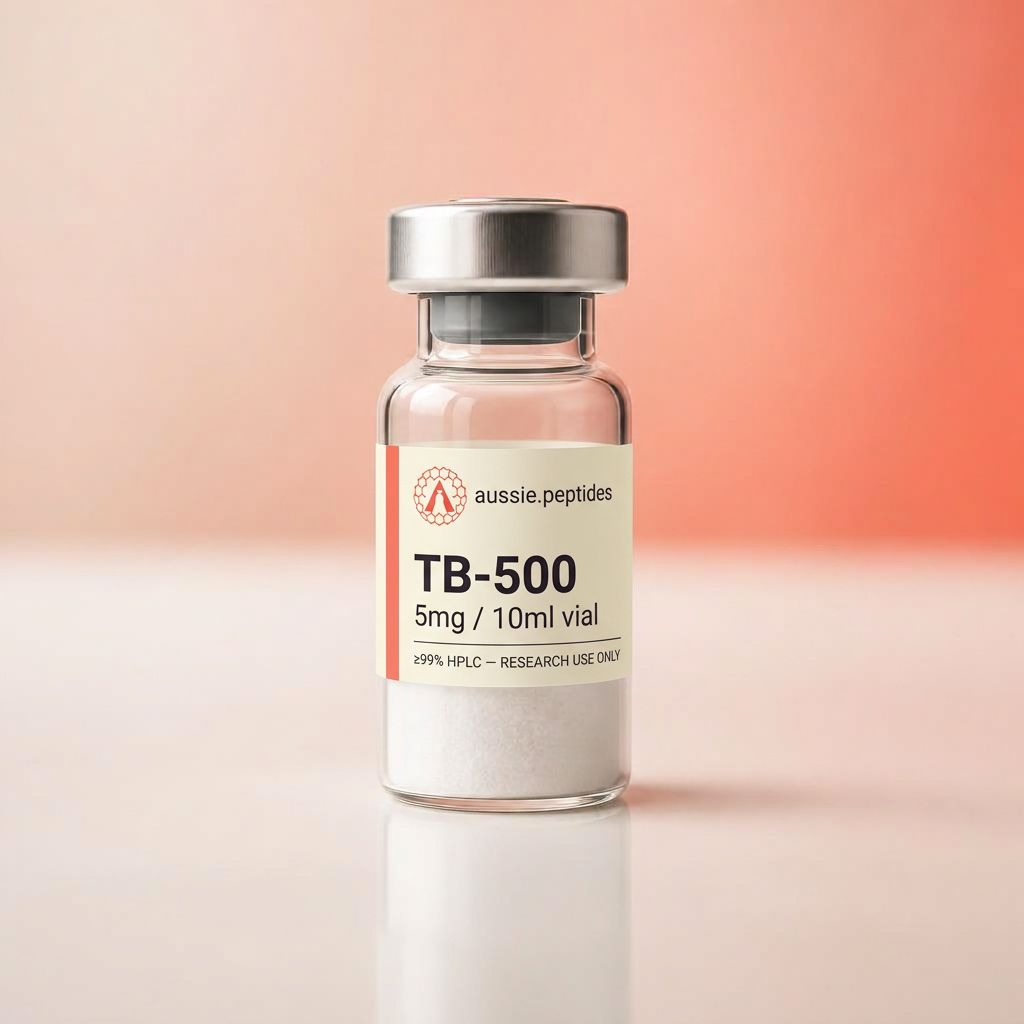
On arrival: the vial should hold a dry, intact white-to-off-white lyophilised cake or powder, sealed under an undamaged flip-top cap with the aluminium crimp fully seated. The label should carry the compound name, the nominal 5mg mass and the same lot number you verified.
Reject or query the vial if the stopper is depressed or loose, the crimp is lifted, there is moisture, discolouration or a collapsed sticky residue inside, the label lot number does not match the paperwork, or the parcel arrived warm with no evidence of cold-chain packing.
Photograph the vial and packaging on arrival before you open anything. If something looks wrong, that photo plus the lot number is all we need to investigate the batch and replace the order.
Buying TB-500 in Australia
A 5mg lyophilised vial is A$95 including GST, dispatched cold-chain packed and tracked from our Australian storage and dispatch facility — no import wait, no customs risk, and no membership or minimum order.
Orders placed before 12pm AEST ship the same day, and express shipping is free on orders over A$199. Bacteriostatic water, 31G insulin syringes and alcohol prep swabs can be added to the same order.
Storage & handling in the lab
Lyophilised (freeze-dried) peptides are shipped cold-chain packed and are typically stored at -20°C for long-term storage, or 2-8°C for short periods before reconstitution.
Once reconstituted with bacteriostatic water, vials are generally refrigerated at 2-8°C and protected from light and repeated freeze-thaw cycles.
Every Aussie Peptides vial carries a lot number that maps to a batch Certificate of Analysis, so purity and identity can be recorded alongside your experimental data.
Legal status in Australia
Materials on this site are supplied strictly for in-vitro laboratory research. They are not therapeutic goods, are not approved by the TGA for human use, and are not supplied for human or veterinary consumption.
Purchasers must be 18 or over and are responsible for handling, storing and disposing of research materials in line with their institution's requirements and applicable Australian law.
Nothing on this page is medical advice, a dosing protocol, or a claim of therapeutic benefit. It summarises what the published research literature investigates.
Common questions
It can be supplied as a laboratory research chemical for in-vitro use. It is not TGA-approved, is not a registered therapeutic good, and is not sold for human or veterinary consumption. Purchasers must be 18 or over.
A 5mg lyophilised vial is A$95 including GST, with free tracked express shipping on orders over A$199. Pricing is per vial with no membership or minimum order.
Every batch is released at ≥99% purity by HPLC with identity confirmed by mass spectrometry. The Certificate of Analysis for your lot number is available on request or through the batch lookup on our CoA page.
Thymosin beta-4 is the full 43-amino-acid protein found naturally in cells. TB-500 is a shorter synthetic peptide based on its actin-binding region, which is why it is easier to synthesise and handle in the laboratory.
That depends on the working concentration your protocol requires. 2mL gives 2.5mg/mL and 5mL gives 1mg/mL. This is concentration arithmetic for laboratory record-keeping, not a dosing recommendation.
They appear together in comparative preclinical tissue-repair literature. If you are running comparative in-vitro work, lot-match both vials to their Certificates of Analysis so differences are attributable to the compound rather than batch variation.
Enter your lot number on our batch verification tool or request the Certificate of Analysis — it shows the HPLC chromatogram, purity percentage and mass-spec identity confirmation for that specific batch.
It is solid-phase synthesised by a contract peptide manufacturer to documented batch records, imported as bulk lyophilised powder, then analysed, vialled and cold-stored at our Australian storage and dispatch facility. We do not resell pre-labelled vials from third parties.
A dry, intact white-to-off-white lyophilised cake or powder under a sealed flip-top cap with the aluminium crimp fully seated, labelled with the compound, 5mg nominal mass and the lot number you verified. Moisture, discolouration, a collapsed sticky residue or a lifted crimp all warrant a query before use.
Cold-chain packed and tracked, dispatched same day on orders placed before 12pm AEST from our Australian storage and dispatch facility. Free express shipping over A$199.
TB-500 checklist & safety notes.
A one-page laboratory checklist for TB-500: reconstitution volume and concentration arithmetic, storage and freeze-thaw handling, lot record-keeping, packaging inspection on arrival, and the CoA checks to run before you open a vial. Research use only — no human dosing protocols.
One email, no list sharing. 18+ research use only.